Twas the first day of my 2nd semester in college. I was an audio major at the time, and the world was my oyster. Then came music theory class, and that same world got turned upside down.
I never realized that being an audio major would mean that I’d need to learn sight singing and ear training, let alone music theory. I wasn’t planning on being the next pop superstar sensation, after all. And even if that were the case, there are plenty of examples of successful artists who don’t know a major note from a minor note and still manage.
Why was my college trying to stack the deck? What was with the bombardment of unnecessary classes that didn’t technically pertain to my major? Why did it feel like the institution just tacked on those extra classes in order to get more money? Why do I feel like a lot of college students can relate to the questions I’m asking?
Anyway, one more important tidbit: I didn’t know how many people were just like me at the time. By that, I mean I didn’t know what a mixing engineer did, and neither did many of my classmates.
If I were to ask a random person off the street, sure, they’d probably be able to explain what an artist does. They may stumble a bit when asked what a record producer does, but they’d at least get the gist of it.
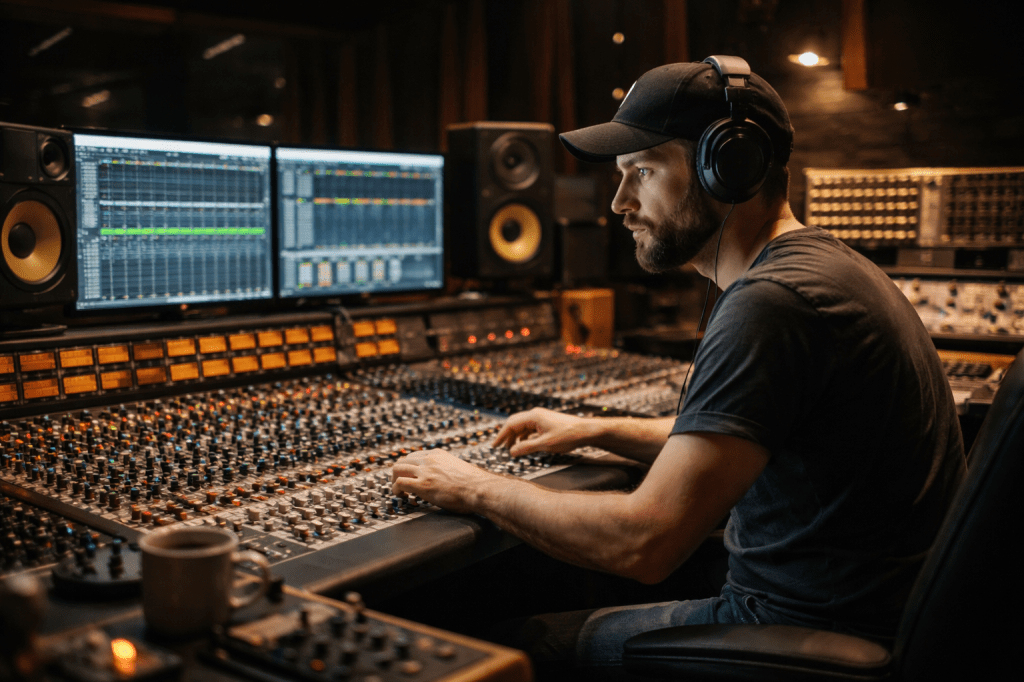
Mixing, however, is often confused with just another hat that producers are supposed to wear, and while it’s not uncommon to see a music producer who also happens to be a mixing aficionado, it should be noted that they are not entirely one and the same. Moreover, there are plenty of producers who don’t specialize in mixing and plenty of recording engineers who’ve never made a beat.
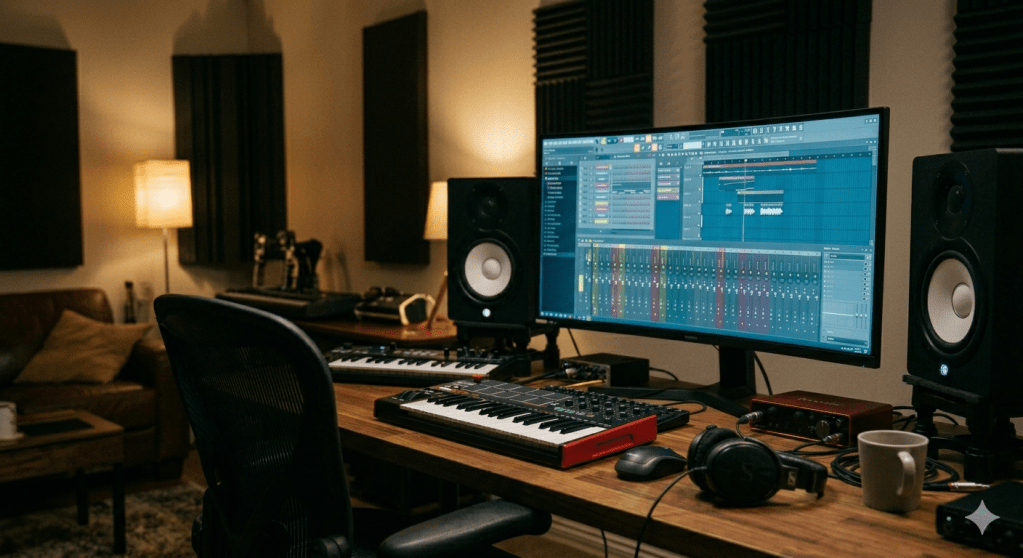
Put simply, a producer’s role in music centers around aiding in putting the right pieces together in order to make a record. This can be accomplished via making the tracks themselves with hardware or DAWs like FL Studio, Reason, and Pro Tools. Alternatively, a producer could assume the role of a director, never touch an instrument, and instead coach their fellow producers, artists, and musicians to a finished project.
An engineer, on the other hand, enhances an already established record. They’ve got keen ears for what a good song sounds like. They use EQ and other tools to highlight the best aspects of a record and are instrumental in making a song sound a lot less muddy.
 Track Logic
Leave a comment